How I Kept My Heart Strong and Energy High on a Low-Fat Diet — Real Talk
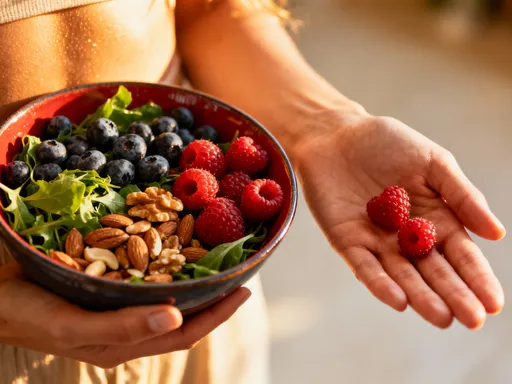
I used to think eating fat meant feeling full and energized — until my doctor flagged early signs of heart strain. That’s when I committed to a low-fat diet, not as a quick fix, but as a long-term life upgrade. After months of testing changes, I’ve seen real improvements in my energy, weight, and blood markers. This isn’t about extreme restrictions — it’s about smart swaps, lasting habits, and preventing health issues before they start. What began as a medical necessity has transformed into a daily practice of self-respect, clarity, and vitality. The journey wasn’t about giving up flavor or satisfaction; it was about redefining what true nourishment means.
The Wake-Up Call: Why I Started Looking at Fat
It started with a routine checkup — the kind most people brush off as just another box to tick. But this time, the results carried a message I couldn’t ignore. My LDL cholesterol was creeping into the borderline-high range, and my triglycerides were elevated. My doctor didn’t alarm me, but her tone was firm: these numbers, if left unchecked, could pave the way for serious cardiovascular problems down the road. She didn’t prescribe medication immediately. Instead, she suggested a shift in eating habits — specifically, reducing dietary fat, especially saturated and trans fats. That conversation became my turning point.
Like many women in midlife, I had grown up believing that fat was the key to satiety. Full-fat yogurt, cheese, butter on toast — these were comfort foods, markers of indulgence and satisfaction. I thought skipping fat would leave me hungry, tired, and irritable. But the reality, supported by decades of medical research, is that not all fats are created equal, and excessive intake of unhealthy fats directly contributes to arterial plaque buildup, high blood pressure, and insulin resistance. The body doesn’t need large amounts of saturated fat to function — in fact, too much of it interferes with healthy metabolic processes.
What struck me most was the silent nature of these risks. Heart disease doesn’t announce itself with dramatic symptoms in its early stages. It progresses quietly, often unnoticed until a crisis occurs. This realization shifted my mindset from reactive health management to proactive prevention. I began to see my food choices not as temporary fixes but as daily investments in long-term resilience. Rather than waiting for a diagnosis, I chose to act on the warning signs. This wasn’t about fear — it was about responsibility, about honoring the body that carries me through each day. The shift wasn’t easy at first, but every small change became a step toward greater confidence and control.
What “Low-Fat” Really Means — And What It Doesn’t
One of the biggest misconceptions about a low-fat diet is that it means eliminating all fat from meals. That’s not only unrealistic but also unnecessary — and potentially harmful. The goal isn’t fat elimination; it’s fat intelligence. A well-structured low-fat approach focuses on reducing harmful fats while preserving or even enhancing the intake of beneficial ones. Saturated fats, primarily found in red meat, full-fat dairy, and certain tropical oils, and trans fats, often hidden in processed and fried foods, are the main culprits linked to heart disease. These are the fats that raise LDL (the “bad” cholesterol) and contribute to inflammation in the arteries.
In contrast, unsaturated fats — including monounsaturated and polyunsaturated fats — play essential roles in brain function, hormone production, and cellular health. Found in foods like avocados, nuts, seeds, and olive oil, these fats can actually support heart health when consumed in moderation. The key is balance and awareness. A low-fat diet doesn’t mean living without flavor or satisfaction; it means making informed choices that align with long-term well-being.
Another common trap is the illusion of health in packaged “low-fat” products. Walk down any supermarket aisle, and you’ll find cookies, crackers, and yogurts proudly labeled “fat-free.” But a closer look at the nutrition label often reveals a trade-off: fat is removed, but sugar is added to compensate for lost flavor and texture. These products can spike blood glucose levels, contribute to weight gain, and increase the risk of metabolic syndrome. That’s why the foundation of a true low-fat diet isn’t processed convenience foods — it’s whole, minimally processed ingredients. Fruits, vegetables, whole grains, legumes, and lean proteins form the backbone of this way of eating, offering natural nutrition without hidden pitfalls.
Understanding this distinction transformed my relationship with food. I stopped chasing labels and started focusing on ingredients. I learned to read between the lines — to see “low-fat” not as a promise of health, but as a potential red flag requiring scrutiny. This awareness empowered me to make choices based on substance, not marketing. Over time, I discovered that the most satisfying meals weren’t those stripped of fat, but those built around freshness, variety, and mindful preparation.
My Daily Low-Fat Food Framework
Structure has been essential to my success. Without a clear framework, even the best intentions can falter in the face of busy schedules and unexpected demands. I built a daily eating pattern that supports energy, fullness, and heart health without requiring constant calculation or deprivation. The focus is on consistency, not perfection — a rhythm that feels sustainable over months and years, not just days.
Breakfast sets the tone. I start most mornings with a bowl of steel-cut oats cooked in water or unsweetened almond milk, topped with fresh berries, a sprinkle of chia seeds, and a dash of cinnamon. This meal is rich in soluble fiber, which helps lower LDL cholesterol, and provides steady energy without spiking blood sugar. On busy days, I opt for a smoothie made with spinach, banana, plant-based protein powder, and a small handful of walnuts for healthy fats. I avoid buttered toast, pastries, and full-fat dairy, which once seemed comforting but now feel heavy and sluggish.
Lunch is usually a large salad with mixed greens, grilled chicken or chickpeas, cucumbers, tomatoes, and a vinaigrette I make at home using olive oil, lemon juice, and Dijon mustard — portion-controlled to keep fat intake in check. I’ve found that building meals around vegetables and lean protein keeps me full and focused through the afternoon. If I’m not in the mood for a salad, I’ll have a lentil or vegetable-based soup with a slice of whole-grain bread. These meals are easy to prep ahead, which helps me avoid the temptation of fast food when time is short.
Dinner remains a family affair, so I’ve adapted traditional recipes to fit my goals. Instead of frying chicken or using creamy sauces, I bake or grill proteins and serve them with roasted vegetables and a small portion of brown rice or quinoa. Stir-fries made with tofu, broccoli, and bell peppers in a low-sodium soy-ginger sauce are regular favorites. I’ve learned to season generously with herbs, spices, garlic, and citrus to enhance flavor without adding fat. Snacks are simple: a piece of fruit, a small container of nonfat Greek yogurt, or a few whole-grain crackers with hummus. These choices keep hunger at bay without derailing my progress.
The guiding principle is the balanced plate: half filled with vegetables, one-quarter with lean protein, and one-quarter with whole grains. I don’t weigh portions or count calories, but I’ve developed an eye for what a healthy plate looks like. This approach removes the stress of tracking while still supporting nutritional balance. Over time, these choices have become second nature — not a diet, but a way of living that feels both nourishing and empowering.
Hidden Fats — Where They Lurk and How I Avoid Them
One of the most surprising aspects of adopting a low-fat lifestyle was discovering how many foods contain hidden fats. These aren’t just obvious sources like butter or fatty cuts of meat — they’re embedded in everyday items we often assume are healthy. Salad dressings, for example, can be loaded with oil and may contain more fat per serving than a piece of cheese. Creamy sauces, even those labeled “light,” often rely on thickeners and fats to mimic richness. Baked goods, including muffins and granola bars, frequently use butter, coconut oil, or hydrogenated fats to improve texture and shelf life.
Fast food is another major source of invisible fat. A seemingly innocent chicken sandwich can contain fried batter, mayonnaise, and cheese — turning a simple meal into a high-fat event. Even side dishes like mashed potatoes or mac and cheese are often made with butter, cream, or full-fat cheese. These choices add up quickly, sometimes delivering an entire day’s recommended fat intake in a single meal. The challenge isn’t just avoiding these foods entirely — it’s learning how to navigate them with awareness and strategy.
Reading nutrition labels became one of my most valuable skills. I now check for two key things: the type of fat and the serving size. “Partially hydrogenated oils” are a red flag — a sign of trans fats, which have been largely phased out but still appear in some processed foods. I also watch for misleading claims like “made with real cheese” or “all-natural,” which don’t necessarily mean low in fat. Instead, I focus on the numbers: aiming for meals with less than 10 grams of total fat, and minimal saturated fat.
Cooking at home has been my greatest tool for control. When I prepare meals myself, I know exactly what goes into them. I’ve collected a set of simple, flavorful recipes that don’t rely on grease or heavy ingredients. A roasted vegetable medley with lemon and rosemary, a baked salmon fillet with a dill-yogurt sauce, or a black bean chili thickened with pureed beans instead of meat — these dishes prove that low-fat doesn’t mean low flavor. When eating out, I plan ahead: I check menus online, choose grilled or steamed options, and ask for dressings and sauces on the side. Most restaurants are accommodating when requests are polite and clear. These small actions add up to significant protection over time.
Energy, Weight, and Blood Work — What Actually Changed
After six months on this eating pattern, the changes became impossible to ignore. The most immediate difference was in my energy levels. I no longer experienced the mid-afternoon crashes that used to leave me reaching for coffee or a sugary snack. My mood felt more stable, and I woke up feeling lighter, both physically and mentally. Digestion improved — bloating and discomfort after meals became rare. These weren’t dramatic shifts, but a steady accumulation of small wins that transformed my daily experience.
Weight loss followed naturally, without extreme calorie counting. I lost about 12 pounds over the first eight months, mostly from reduced portion sizes and fewer high-fat, high-calorie foods. More importantly, the weight stayed off. Unlike previous attempts that led to yo-yo fluctuations, this change felt sustainable because it wasn’t based on restriction, but on replacement. I wasn’t denying myself — I was upgrading my choices.
The most convincing evidence came from my follow-up blood test. My LDL cholesterol dropped from 142 mg/dL to 118 mg/dL, moving from the borderline-high to the near-optimal range. Triglycerides decreased by 30%, and my fasting glucose showed improved insulin sensitivity, reducing my risk for type 2 diabetes. My doctor was pleased and encouraged me to continue. These numbers weren’t just abstract data — they were proof that my daily decisions were having a measurable impact on my internal health.
Equally important were the emotional benefits. I felt more in control, more capable of making choices that aligned with my values. There was less guilt around food and more appreciation for how good it feels to treat my body well. I stopped seeing food as the enemy and started seeing it as a source of strength. Of course, progress wasn’t linear. There were days when I ate something high in fat or skipped a workout. But I learned to let go of perfection. The goal wasn’t flawlessness — it was consistency. And over time, consistency built confidence.
Science Behind the Shield: How Low-Fat Eating Prevents Disease
The benefits I experienced aren’t unique — they’re supported by decades of scientific research. Cardiovascular disease remains the leading cause of death worldwide, and diet plays a central role in its development and prevention. Numerous studies, including the landmark DASH (Dietary Approaches to Stop Hypertension) trial and the PREDIMED study, have demonstrated that diets low in saturated fat and rich in plant-based foods significantly reduce the risk of heart attack and stroke. These eating patterns help lower blood pressure, improve cholesterol profiles, and reduce arterial inflammation.
One of the primary mechanisms is the reduction of low-density lipoprotein (LDL) cholesterol. When LDL particles circulate in excess, they can infiltrate the walls of arteries, triggering an inflammatory response that leads to plaque formation. Over time, this narrows the arteries and increases the risk of blockages. By reducing saturated fat intake and increasing fiber-rich foods, a low-fat diet helps clear LDL from the bloodstream and supports the function of high-density lipoprotein (HDL), the “good” cholesterol that transports excess cholesterol back to the liver for processing.
Beyond heart health, a well-structured low-fat diet also plays a role in preventing type 2 diabetes. Excess fat, particularly visceral fat around the abdomen, contributes to insulin resistance — a condition in which cells fail to respond properly to insulin, leading to elevated blood sugar. By promoting weight loss and improving metabolic efficiency, low-fat eating enhances insulin sensitivity and helps maintain stable glucose levels. This is especially important for women in their 40s and 50s, when hormonal changes can increase the risk of metabolic disorders.
Emerging research also links high-fat diets, especially those rich in processed and saturated fats, to non-alcoholic fatty liver disease (NAFLD), a condition in which fat builds up in liver cells. NAFLD often has no symptoms but can progress to inflammation, scarring, and even liver failure. A diet centered on whole grains, vegetables, lean proteins, and healthy fats helps prevent fat accumulation in the liver and supports overall detoxification processes. The body thrives on balance — and a low-fat approach, when done correctly, provides that balance in a way that protects multiple organ systems.
Staying Consistent Without Feeling Deprived
Sustainability is the true measure of any health change. I’ve tried restrictive diets before — ones that promised quick results but left me feeling hungry, irritable, and disconnected from social life. What makes this approach different is that it doesn’t ask me to give up everything I enjoy. Instead, it invites me to make smarter, more intentional choices. The key has been building habits that fit into real life, not an idealized version of it.
Meal prep has been a game-changer. Every Sunday, I spend an hour chopping vegetables, cooking a pot of quinoa, and portioning out snacks. Having healthy options ready reduces the temptation to grab something convenient but unhealthy. I also practice mindful eating — slowing down, savoring each bite, and paying attention to hunger and fullness cues. This simple shift has helped me eat less without feeling deprived, because I’m more present during meals.
Holidays and social events used to be minefields. I’d either overindulge and feel guilty, or deprive myself and feel left out. Now, I approach them with flexibility. I might enjoy a small slice of pie at Thanksgiving, but I balance it with lighter choices throughout the day. I focus on connection — conversation, laughter, shared moments — rather than centering everything around food. Cravings still happen, but I’ve learned to distinguish between physical hunger and emotional triggers. When I do crave something rich, I allow myself a modest portion of dark chocolate or a small handful of almonds — sources of healthy fats that satisfy without undoing progress.
Most importantly, I view this not as a diet, but as a lifestyle — a promise I’ve made to myself to live with greater awareness and care. It’s not about punishment or perfection. It’s about honoring my body’s needs and protecting my future. By including small amounts of healthy fats, enjoying flavorful meals, and staying connected to my goals, I’ve found a way to eat well without feeling restricted. This isn’t a short-term fix. It’s a long-term commitment to feeling strong, energized, and at peace with my choices.
This journey from risk to resilience has taught me that health isn’t built in a day — it’s built through small, consistent decisions. A low-fat diet, when based on whole foods and balanced principles, isn’t about missing out. It’s about gaining clarity, energy, and the quiet confidence that comes from knowing you’re doing your best. The heart is not just a muscle — it’s a symbol of life, of love, of endurance. By caring for it through mindful eating, we extend not just the length of our years, but the quality of our days. If you’re facing similar concerns, remember: you don’t have to make every change at once. Start with one swap, one meal, one choice. And consult your healthcare provider to create a plan tailored to your unique needs. The power to protect your health is already in your hands.