How I Fixed My Postpartum Body — Real Talk, Real Results
After having my baby, I felt like my body was no longer mine. The exhaustion, the soreness, the lingering weakness—it was overwhelming. I didn’t know where to start, but I knew I couldn’t ignore it. Through trial, error, and real guidance, I discovered what actually works for postpartum recovery. This isn’t a miracle fix—it’s honest, science-backed body repair. If you’re feeling lost like I was, this is for you. Your body deserves care, not pressure. Let’s walk this path together.
The Hidden Struggle: What No One Tells You About Postpartum Healing
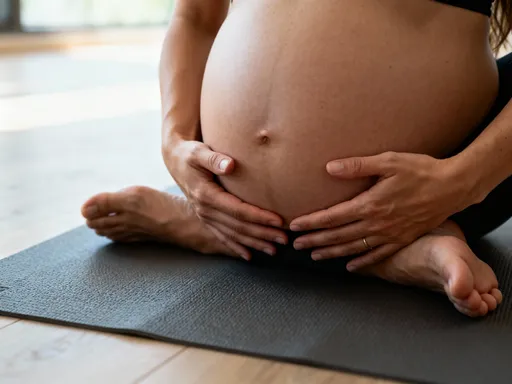
Many women enter motherhood with the expectation that their bodies will naturally return to normal after childbirth. Yet, the reality is far more complex. The postpartum period is often marked by a profound physical and emotional disconnect. While the world celebrates the arrival of a new baby, the mother may be quietly struggling with fatigue, hormonal fluctuations, and a body that feels unfamiliar and uncooperative. This silent battle is rarely discussed in public, yet it is deeply shared among women who have walked this path.
One of the most damaging myths is the idea of “bouncing back” after birth. Social media and popular culture often glorify rapid physical recovery, showcasing mothers returning to intense workouts within weeks. But true postpartum healing is not about appearance or fitting into pre-pregnancy clothes. It is about functional recovery—restoring the body’s ability to support daily life, from lifting a car seat to bending over a crib without pain. The focus should not be on how the body looks, but on how it works.
Common physical concerns after childbirth include diastasis recti (a separation of the abdominal muscles), pelvic floor weakness, persistent fatigue, and hormonal shifts that affect mood and energy. These are not signs of failure—they are normal responses to the immense physical demands of pregnancy and delivery. Diastasis recti, for example, affects up to 60% of women postpartum and can contribute to lower back pain and poor core stability if not addressed properly. Pelvic floor dysfunction may lead to incontinence or discomfort during daily activities, yet many women suffer in silence, believing these issues are inevitable.
Healing is not a linear process. Each woman’s journey is unique, influenced by the type of delivery, overall health, support system, and individual physiology. Some may feel stronger within weeks, while others need months to regain stability. The key is to honor your body’s timeline, not compare it to others. Recognizing that postpartum recovery is a phase of repair—not punishment—can shift the mindset from frustration to compassion.
Why Your Body Needs Repair — Not Just Recovery
The term “recovery” suggests a return to a previous state, but after childbirth, the body has undergone permanent structural changes. A more accurate goal is “repair”—the process of restoring strength, alignment, and function to a body that has been transformed. Pregnancy places significant demands on the core and pelvic region. The growing uterus stretches the abdominal muscles, particularly the rectus abdominis, and shifts the center of gravity forward. This alters posture and places strain on the lower back and pelvis.
Whether the delivery was vaginal or cesarean, the body experiences trauma at the tissue level. Vaginal birth can lead to stretching or tearing of the pelvic floor muscles, while cesarean delivery involves surgical incision through multiple layers of tissue, including the abdominal wall. Both routes require time for proper healing. Returning to exercise too soon—especially high-impact or core-intensive activities—can compromise tissue integrity and delay recovery. Studies show that premature return to strenuous exercise may increase the risk of pelvic organ prolapse and worsen diastasis recti.
Before beginning any postpartum fitness routine, a professional assessment is essential. A physical therapist specializing in women’s health can evaluate core function, pelvic floor strength, and alignment. This assessment helps identify specific needs and prevents the adoption of exercises that may do more harm than good. For example, a woman with a wide diastasis may need to avoid certain movements that increase intra-abdominal pressure, such as crunches or heavy lifting, until her core has regained stability.
Repair also involves addressing internal changes. Hormonal shifts after birth affect connective tissue elasticity, making ligaments and joints more prone to strain. The hormone relaxin, which increases during pregnancy to allow the pelvis to expand, can remain elevated for months, contributing to joint instability. This is why even simple movements, like picking up a toddler, can lead to injury if the body isn’t properly supported. Understanding these physiological changes empowers women to make informed choices about their activity levels and healing pace.
The First Step: Listening to Your Body (And Why It’s Hard)
In a culture that values productivity and constant movement, slowing down can feel like failure. New mothers are often expected to “do it all”—care for a newborn, manage a household, and return to work—all while appearing composed and capable. This pressure makes it difficult to pause and truly listen to the body’s signals. Yet, this listening is the foundation of effective postpartum repair. The body communicates through sensations: pain, fatigue, heaviness in the pelvis, or urinary leakage. These are not minor inconveniences—they are messages that healing is still in progress.
Ignoring these signs can lead to long-term issues. For example, persistent pelvic pain or incontinence may worsen if underlying muscle imbalances are not addressed. Fatigue is not just a result of sleepless nights; it can also indicate that the body is still in recovery mode and needs more rest. Learning to recognize and honor these signals requires a shift in mindset—from pushing through to responding with care.
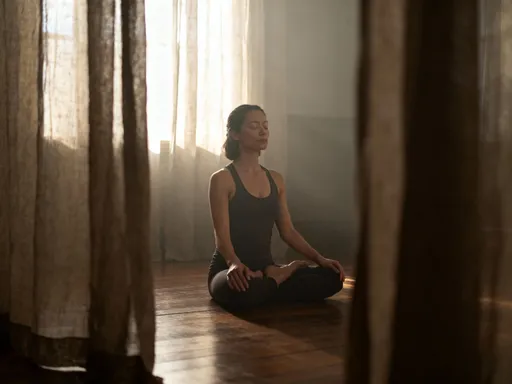
Mindfulness and body scanning are powerful tools in this process. Taking a few minutes each day to mentally scan the body—from the feet up to the head—can help identify areas of tension, discomfort, or numbness. This practice fosters a deeper connection between mind and body, which may have been disrupted during pregnancy and birth. Simple techniques like diaphragmatic breathing, where the breath expands the belly rather than the chest, can activate the parasympathetic nervous system, promoting relaxation and aiding digestion and circulation.
Gentle movements such as pelvic tilts, performed while lying on the back with knees bent, help re-engage the deep core muscles and improve spinal mobility. These exercises are not about burning calories or building muscle mass—they are about re-establishing communication between the brain and the body. Progress may feel slow, but each small step builds a stronger foundation. Patience and self-compassion are not luxuries; they are necessary components of healing. Treating yourself with the same kindness you would offer a dear friend going through a difficult time can transform the postpartum experience from one of frustration to one of growth.
Rebuilding Core Strength the Right Way
Core strength after childbirth is not about achieving a flat stomach or visible abs. It is about restoring the function of the deep stabilizing muscles—the transverse abdominis, pelvic floor, diaphragm, and multifidus—that work together to support the spine and pelvis. These muscles form a cylinder of stability that is essential for everyday movements. When this system is disrupted, as it often is during pregnancy, the body compensates in ways that can lead to pain and dysfunction.
Safe and effective exercises focus on gentle activation and coordination. Heel slides, for example, involve lying on the back with knees bent and slowly sliding one heel along the floor until the leg is straight, then returning to the starting position. This movement encourages engagement of the deep abdominal muscles without increasing intra-abdominal pressure. The dead bug exercise, performed with arms and legs lifted, challenges core control while maintaining a neutral spine. Supported bridges, where the hips are lifted with a ball or pillow between the knees, activate the glutes and hamstrings while promoting pelvic stability.
It is crucial to avoid traditional crunches, sit-ups, and planks in the early stages of recovery, especially if diastasis recti is present. These exercises can exacerbate muscle separation and increase the risk of hernia. Planks, in particular, place significant load on the abdominal wall and should only be introduced when the core has regained sufficient strength and control, typically under the guidance of a physical therapist.
Breath plays a central role in core rehabilitation. Coordinating movement with breath—such as exhaling during exertion—helps regulate intra-abdominal pressure and enhances muscle activation. For instance, during a heel slide, exhaling as the leg extends can improve engagement of the transverse abdominis. This mind-body-breath connection is the cornerstone of functional core strength. Progress should be gradual, with intensity increasing only when previous exercises can be performed with proper form and without discomfort. Working with a postnatal fitness specialist or physical therapist ensures that progression is safe and tailored to individual needs.
Pelvic Floor Healing: More Than Just Kegels
The pelvic floor is a group of muscles that support the bladder, uterus, and rectum. During pregnancy and childbirth, these muscles undergo significant stress. They stretch, weaken, and sometimes tear, leading to issues such as urinary incontinence, pelvic pain, or a sensation of heaviness. For decades, Kegel exercises—tightening the pelvic floor muscles—have been prescribed as the go-to solution. However, research shows that Kegels are not always appropriate. In some cases, the pelvic floor is too tight or overactive, and squeezing it further can worsen symptoms.
Just like any other muscle group, the pelvic floor needs to be able to both contract and relax. A woman with an overactive pelvic floor may experience pain during intercourse or difficulty inserting tampons. In such cases, the priority is not strengthening, but releasing tension through techniques like diaphragmatic breathing, gentle stretching, and manual therapy. This is why a personalized assessment by a pelvic floor physical therapist is invaluable. They can determine whether the muscles are weak, tight, or both, and design a treatment plan accordingly.
Beyond exercises, daily habits play a crucial role in pelvic floor health. Proper toileting posture—such as using a small footstool to elevate the knees above the hips—can reduce strain during bowel movements. Avoiding chronic heavy lifting, especially with poor form, helps prevent increased pressure on the pelvic organs. Even simple actions like coughing or sneezing can be managed by engaging the core and pelvic floor beforehand, a technique known as “the knack.”
Healing the pelvic floor is not a one-size-fits-all process. Some women benefit from biofeedback, where sensors provide real-time feedback on muscle activity, helping them learn proper contraction and relaxation. Others may need manual therapy to release scar tissue or muscle tension. The goal is not perfection, but function—being able to laugh, jump, or lift a child without fear of leakage. By moving beyond the oversimplified message of “just do Kegels,” women can access more effective, individualized care that supports long-term pelvic health.
Movement That Supports, Not Strains
In the early postpartum months, the focus should shift from intense workouts to nourishing movement—activities that support healing rather than challenge the body. Walking is one of the most beneficial forms of exercise during this phase. It improves circulation, aids in lymphatic drainage, and gently engages the core and pelvic floor without placing excessive strain. Starting with short walks around the neighborhood and gradually increasing duration allows the body to adapt at a safe pace.
Postnatal yoga is another excellent option. Classes designed specifically for new mothers emphasize gentle stretching, breathwork, and mindfulness. Poses like cat-cow, child’s pose, and seated forward bends help release tension in the spine and hips while promoting relaxation. Unlike high-intensity yoga styles, postnatal yoga prioritizes restoration over exertion. Swimming can also be a low-impact way to rebuild strength once any post-delivery bleeding has stopped and the incision site (in the case of cesarean) has healed. The buoyancy of water reduces stress on joints while allowing for full-body movement.
Proper posture during daily activities is equally important. Carrying a baby, breastfeeding, and bending over a crib can all contribute to poor alignment if not done mindfully. Simple adjustments—such as using a nursing pillow to bring the baby to breast level, or bending the knees when picking up a car seat—can prevent strain on the back and pelvis. Awareness of posture throughout the day helps reinforce the neuromuscular connections that support long-term musculoskeletal health.
Rest is not the opposite of progress—it is a vital part of it. Overexertion, whether physical or emotional, can delay healing by increasing inflammation and depleting energy reserves. The body needs time to repair tissues, rebalance hormones, and rebuild strength. Tracking small wins—such as being able to stand from a chair without using the hands, or going a full day without incontinence—can provide motivation and a sense of accomplishment. These milestones may seem minor, but they reflect real functional improvement. Movement should be viewed not as a test of endurance, but as a form of self-care that honors the body’s current capabilities.
Putting It All Together: A Realistic, Sustainable Plan
Postpartum repair is most effective when approached in phases. The first phase—rest—focuses on healing from delivery, managing fatigue, and establishing newborn care routines. This may last 6 to 8 weeks or longer, depending on individual needs. The second phase—reconnect—involves gentle exercises like breathing, pelvic tilts, and walking to re-establish mind-body awareness. The third phase—rebuild—introduces more structured core and pelvic floor exercises under professional guidance. The final phase—return—allows for a gradual reintroduction of more intense activities, such as strength training or running, only when the body is ready.
A sample weekly routine might include daily diaphragmatic breathing and pelvic floor exercises, three short walks, and one postnatal yoga session. As strength improves, heel slides and supported bridges can be added every other day. Progress is not measured by how quickly a woman returns to exercise, but by how well her body functions. Can she lift her baby without back pain? Does she feel stronger when standing or walking? These are the true indicators of healing.
Nutrition, hydration, and sleep are equally important pillars of repair. Eating balanced meals with adequate protein supports tissue healing. Staying hydrated helps maintain energy and milk supply (if breastfeeding). While sleep may be fragmented, prioritizing rest when possible—such as napping when the baby sleeps—can make a meaningful difference. Emotional support from partners, family, or postnatal groups also plays a critical role in overall well-being.
Seeking guidance from healthcare providers, physical therapists, or certified postnatal fitness instructors ensures that the journey is safe and effective. They can provide personalized recommendations, correct form, and reassurance when progress feels slow. This is not a journey to be taken alone. By building a support system and trusting the process, women can move forward with confidence and care.
Postpartum body repair isn’t about returning to who you were—it’s about becoming stronger, more aware, and more connected to yourself. Healing takes time, attention, and kindness. By focusing on function over form and listening to your body, you lay the foundation for long-term health. This journey isn’t about perfection; it’s about progress. And you’re not alone.