How I Healed My Body Slowly with Yoga, Meditation, and Ancient Wisdom
For years, I struggled with low energy, constant tension, and slow recovery from old injuries. I tried quick fixes that failed—until I embraced a long-term path blending yoga, meditation, and traditional Chinese medicine principles. It wasn’t fast, but it was real. This is how gentle, consistent practices retrained my body to heal itself, one breath at a time. What began as a quiet experiment in self-care grew into a profound transformation, not only in how I felt physically but in how I related to my body, my time, and my well-being. This journey wasn’t about dramatic overhauls or miracle cures. It was about returning to rhythm, respect, and presence—values long honored in ancient healing traditions but often overlooked in modern life.
The Breaking Point: When Quick Fixes Failed Me
There was a time when I believed more effort equaled better results. I pushed through fatigue, ignored aches, and measured progress by intensity. My routine included high-impact workouts, protein shakes, and over-the-counter pain relievers to manage the aftermath. I thought I was building strength. In truth, I was depleting my reserves. Over several years, the consequences accumulated: chronic fatigue set in, old sports injuries flared up without warning, and my sleep became shallow and restless. I felt disconnected from my body, as if it were a machine that kept breaking down despite regular maintenance.
The turning point came after a minor fall caused a prolonged flare-up in my lower back—a pain that lasted for weeks despite physical therapy and anti-inflammatory medication. I realized I was treating symptoms, not causes. My body wasn’t responding to force; it was begging for balance. I began to question everything I thought I knew about healing. Why was rest so undervalued? Why did modern fitness culture glorify exhaustion? I started researching alternative approaches, not out of desperation, but out of curiosity. That curiosity led me to ancient healing systems that emphasized harmony over hustle, listening over commanding. I began to understand that healing is not something you force—it’s something you allow.
This shift in perspective was subtle but powerful. Instead of asking, "How can I fix this?" I started asking, "What is my body trying to tell me?" That simple change opened the door to a new way of living. I stopped measuring progress by how much I could endure and started paying attention to how I felt after each activity. Was I energized or drained? Was there ease or tension? These small observations became the foundation of a gentler, more sustainable path to wellness.
Rediscovering Balance: The Role of Traditional Chinese Medicine (TCM)
Traditional Chinese Medicine (TCM) offered me a framework that made sense of my symptoms in a way Western medicine never had. Rather than isolating pain or fatigue as separate issues, TCM views the body as an interconnected network of energy pathways, known as meridians. At the heart of this system is Qi (pronounced "chee"), the vital life force that flows through these channels. When Qi is balanced and moving freely, the body functions optimally. When it is blocked, deficient, or excessive, discomfort arises—not just physically, but emotionally and mentally.
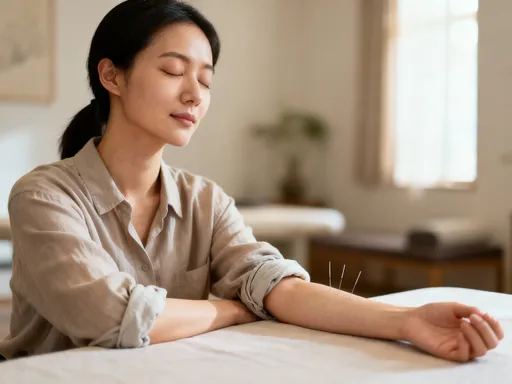
I learned that my chronic fatigue wasn’t just a sign of overwork; in TCM terms, it could reflect a Qi deficiency, particularly in the spleen and kidney systems. My recurring muscle tension might indicate a stagnation of Liver Qi, often linked to stress and emotional suppression. These concepts weren’t mystical—they were observational. TCM practitioners had spent centuries mapping patterns of imbalance and developing gentle, natural ways to restore harmony. I began working with a licensed TCM practitioner who guided me in dietary changes, such as reducing cold and raw foods that could weaken digestion and increase internal dampness, a factor linked to sluggishness and joint discomfort.
Alongside dietary adjustments, I incorporated simple practices like self-acupressure on key points—such as Zusanli (ST36), known for boosting energy—and began paying attention to the quality of my rest. I learned that true rest isn’t passive; it’s an active form of nourishment. Instead of scrolling through my phone before bed, I started sipping warm herbal teas like chrysanthemum and goji, which are traditionally used to calm the mind and support liver function. I also began aligning my daily rhythm with natural cycles—waking earlier, eating the largest meal at midday, and winding down by 9 p.m. These small shifts didn’t yield instant results, but over time, I noticed a steady improvement in my energy levels and digestion.
Most importantly, TCM taught me to see my body not as a collection of parts to be fixed, but as a dynamic system that communicates constantly. Pain, fatigue, even mood changes became signals to be interpreted, not ignored. This mindset—rooted in awareness and respect—became the cornerstone of my healing journey.
Why Yoga Felt Different This Time: Beyond Stretching
Yoga was not new to me. I had tried it before, but always as a form of exercise—something to do between cardio sessions or as a way to "stretch out" after intense workouts. I approached it with the same goal-oriented mindset: deeper backbends, more advanced poses, faster progress. Unsurprisingly, I often left class feeling strained rather than soothed. It wasn’t until I returned to yoga with a different intention—less as a workout, more as a practice of presence—that everything changed.
This time, I focused on styles that emphasized stillness, breath, and internal awareness: Yin yoga and Restorative yoga. In Yin, poses are held for three to five minutes, targeting the deep connective tissues and joints. At first, it felt counterintuitive—how could doing less lead to more healing? But I soon realized that the long holds weren’t about forcing flexibility; they were about creating space for release. As I learned to relax into the posture rather than push through discomfort, I noticed changes not just in my hips and spine, but in my nervous system. My habitual tension patterns began to soften. I slept more deeply. My morning stiffness decreased.
Restorative yoga took this even further. Using bolsters, blankets, and props to fully support the body, these sessions felt like being held. I would lie in Supta Baddha Konasana (reclined bound angle pose) for twenty minutes, breathing slowly, feeling my ribs expand with each inhale. There was no effort, only surrender. These practices taught me that healing often happens in stillness, not motion. They also helped regulate my autonomic nervous system, shifting me out of the chronic "fight-or-flight" state I hadn’t even realized I was in.
Breath became central to my practice. I learned diaphragmatic breathing, where the belly rises on the inhale and falls on the exhale, signaling safety to the body. I practiced Ujjayi breath, a soft oceanic sound at the back of the throat, to maintain focus and calm. Over time, my yoga mat became a laboratory for self-inquiry. I observed how emotions surfaced during certain poses—grief in heart openers, anxiety in forward folds. Instead of reacting, I learned to stay, breathe, and let sensations pass. This was not exercise; it was embodied meditation.
Meditation That Actually Worked: Building a Daily Ritual
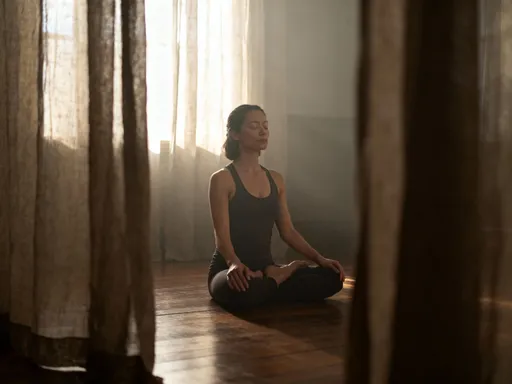
Like many people, I had tried meditation before and failed. I would sit for five minutes, overwhelmed by thoughts, convinced I was doing it wrong, and give up. The breakthrough came when I stopped aiming for a blank mind and started treating meditation as a practice of returning—returning to the breath, to the body, to the present moment, again and again. I began with just five minutes a day, sitting on a cushion by the window, focusing on the sensation of air entering and leaving my nostrils.
I used simple techniques that kept me grounded. Breath counting—inhale one, exhale one, up to ten, then repeat—gave my mind a task and reduced mental chatter. Body scanning, where I slowly brought attention from my toes to the crown of my head, helped me reconnect with physical sensations I had long ignored. I also explored Qi visualization, imagining warm, golden energy flowing through my body with each breath, especially in areas of tension or injury. These practices didn’t eliminate stress, but they changed my relationship to it. I became less reactive, more observant.
Over several months, I increased my sitting time to twenty minutes. I noticed that on days I meditated, I made better food choices, responded more calmly to challenges, and caught physical warning signs earlier—like the subtle tightness in my shoulders before a headache. My mind felt clearer, my emotions more balanced. I wasn’t achieving enlightenment, but I was cultivating awareness, and that made all the difference.
The ritual itself became healing. Lighting a candle, sitting in the same spot, following a simple sequence—these small acts created a sense of stability. In a world full of unpredictability, my morning meditation became an anchor. I didn’t always feel calm during the practice, but I always felt more centered afterward. This consistency, not perfection, was the key.
The Power of Routine: Combining Practices for Lasting Change
Individually, each practice—TCM, yoga, meditation—had benefits. But the real transformation happened when I wove them into a daily rhythm. I stopped treating them as isolated remedies and began seeing them as parts of a whole. My morning routine became a gentle activation of energy: ten minutes of Qi-gong, a practice of slow, flowing movements designed to cultivate and circulate Qi, followed by a short meditation and a warm breakfast of congee with ginger and dates, foods traditionally believed to strengthen digestion and nourish Qi.
Throughout the day, I built in micro-practices. At work, I took three-minute breathing pauses—inhaling for four counts, holding for four, exhaling for six—to reset my nervous system. I avoided eating lunch at my desk, instead stepping outside to eat mindfully, chewing slowly, and giving my digestive system the attention it deserved. In the late afternoon, if I felt a dip in energy, I didn’t reach for caffeine. Instead, I did a few rounds of neck rolls, shoulder releases, or a quick acupressure session on my hands and feet.
In the evening, I transitioned into rest. After dinner, I practiced Yin yoga, holding poses that released the day’s tension from my hips, spine, and shoulders. I dimmed the lights, turned off screens, and spent ten minutes in reflection—writing in a journal or simply sitting in silence. I went to bed at a consistent time, allowing my body to follow its natural circadian rhythm. This routine wasn’t rigid; it was responsive. Some days were fuller than others, but the structure gave me a foundation to return to.
The synergy of these practices amplified their effects. Qi-gong prepared my body for meditation. Meditation deepened my awareness during yoga. Yoga supported my physical health, which in turn made it easier to follow TCM principles. Progress wasn’t dramatic—it was cumulative. I didn’t wake up one day completely healed. But over months, I noticed I could walk longer without pain, sleep through the night, and handle stress without collapsing. The changes were quiet, but they were real.
Listening to the Body: The Most Important Skill I Learned
Perhaps the most valuable lesson I learned was how to listen—to my body’s whispers before they became screams. Both TCM and meditation emphasize interoception, the ability to sense internal states. I began to notice patterns: when my eyes felt dry, it often meant Liver Qi stagnation; when my feet were cold, it could signal poor circulation or Kidney Qi deficiency. Instead of reaching for a quick fix, I responded with care—drinking warming tea, doing gentle foot soaks, or resting earlier.
I also became more attuned to emotional-physical connections. I noticed that arguments with loved ones often led to tightness in my jaw or stomach discomfort. Instead of blaming myself or pushing through, I started honoring those signals. I might take a short walk, do a few minutes of deep breathing, or simply say, "I need a moment." This responsiveness reduced the frequency and intensity of physical flare-ups. I wasn’t preventing stress—I was managing my response to it.
Listening also meant accepting limits. There were days when my body asked for rest, not movement. I learned to honor that without guilt. I stopped comparing myself to others or to my past self. Healing isn’t linear; it’s cyclical. Some weeks I felt stronger, others I regressed. But each time I returned to my practices, I rebuilt resilience. This skill—listening—became the foundation of long-term health. It wasn’t about achieving perfection; it was about staying connected.
A Lifelong Approach: Why Slow Healing Is Worth It
Today, I don’t claim to be pain-free or perfectly balanced. But I move with more ease, recover faster, and feel more at home in my body than I ever have. The methods I’ve shared aren’t quick fixes; they are lifelong tools. They require patience, consistency, and a willingness to slow down in a world that rewards speed. But for anyone who has felt stuck, dismissed, or worn down by chronic issues, I offer this: healing is possible, even when it’s quiet.
What I’ve learned is that true wellness isn’t the absence of symptoms—it’s the presence of vitality, awareness, and connection. It’s the ability to wake up and feel grateful for your body, not resentful of it. It’s knowing that you have the tools to support yourself, not just during crises, but every day. This journey has taught me humility, patience, and deep respect for the wisdom of ancient practices that have sustained people for generations.
If you’re considering a similar path, start small. Try five minutes of breathwork. Replace one cold meal with a warm, cooked one. Sit quietly and notice how your body feels. You don’t need to change everything at once. Trust that small, consistent actions create lasting change. Healing is not a race. It’s a return—to balance, to rhythm, to yourself. And sometimes, the slowest path is the one that leads you all the way home.