How Acupuncture and Massage Quietly Transformed My Daily Life
For years, I dismissed acupuncture and massage as luxury spa treatments—until chronic tension and low energy pushed me to try them seriously. What started as a last resort became a cornerstone of my health routine. These ancient practices didn’t cure me, but they brought subtle, lasting shifts: better sleep, less stiffness, and more resilience. This is how they quietly reshaped my lifestyle—not with miracles, but with consistency and care. Over time, what once felt like indulgence became essential, not because it erased every ache, but because it helped me reclaim a sense of balance that daily life had worn thin.
The Hidden Toll of Modern Living
Modern life moves fast, and its rhythms often leave little room for physical recovery. Many women between 30 and 55 find themselves caught in a cycle of responsibilities—managing homes, careers, children, and aging parents—while their own well-being quietly erodes. Persistent muscle tightness, especially in the neck, shoulders, and lower back, has become nearly universal. Stress builds not just emotionally but physically, settling into the body as stiffness, fatigue, and shallow breathing. Long hours at desks, constant screen use, and the emotional weight of caregiving contribute to a chronic state of tension that sleep and diet alone cannot resolve.
This physical strain is not simply a matter of discomfort; it reflects deeper imbalances in the body’s nervous system. When the sympathetic nervous system—the “fight-or-flight” response—remains subtly activated over time, the body never fully shifts into rest and repair mode. The result is poor recovery, disrupted sleep, and a lowered threshold for pain. Many assume that wellness hinges only on nutrition and cardiovascular exercise, yet nervous system regulation is equally vital. Without addressing this internal stress load, even the healthiest habits may fall short of delivering true vitality.
What many don’t realize is that physical tension often masks a need for nervous system recalibration. The body holds patterns of stress in the muscles, fascia, and connective tissues, creating a feedback loop where physical discomfort fuels mental fatigue, and vice versa. Simple acts like sitting for hours or clenching the jaw during stressful phone calls accumulate over time. The solution isn’t always more movement or stricter diets—it’s restoration. Acupuncture and therapeutic massage offer pathways to release these stored tensions and signal safety to the nervous system, allowing the body to reset and recover in ways that exercise alone cannot achieve.
Why I Gave Acupuncture a Real Shot
The turning point came after months of shoulder pain that no amount of stretching, rest, or over-the-counter remedies could resolve. As someone who valued self-reliance, I had resisted seeking help, assuming the discomfort would eventually fade. But when the stiffness began affecting my ability to sleep through the night and reach for items on high shelves, I realized I needed a different approach. A friend suggested acupuncture, not as a cure, but as a way to address the root of the tension. Skeptical but willing, I scheduled my first appointment with a licensed practitioner in my area.
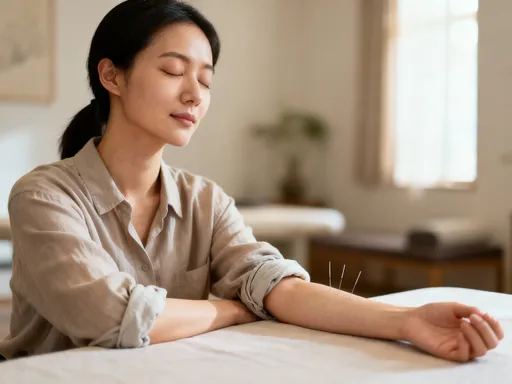
Walking into the clinic, I expected something dramatic—perhaps sharp pain or immediate relief. Instead, the experience was quiet and deliberate. The practitioner asked detailed questions about my sleep, digestion, and emotional state, treating the body as an interconnected system. When the ultra-fine needles were inserted into specific points along my arms, shoulders, and back, I felt little more than a brief tap or dull pressure. There was no pain, only a growing sense of calm as I lay on the table, breathing slowly under soft lighting. After 30 minutes, the needles were removed, and I sat up feeling lighter, as if a low-grade hum of tension had been turned down.
What surprised me most was the aftermath. That night, I slept more deeply than I had in months. Over the next few days, my shoulder mobility improved, and the constant ache diminished. While I didn’t expect acupuncture to work miracles, the subtle shift was undeniable. From a scientific standpoint, researchers believe that acupuncture may influence nerve signaling, stimulate blood flow to tense areas, and encourage the release of endorphins—natural pain-relieving chemicals in the body. It doesn’t “fix” structural issues, but it can help modulate how the nervous system processes pain and tension, offering a non-invasive way to support the body’s self-regulation.
What Massage Did That Exercise Couldn’t
For years, I believed that physical improvement came from pushing harder—more steps, longer workouts, stricter routines. But I began to notice a contradiction: the more I exercised, the more certain areas of my body tightened up. My back ached after strength training, and my hips felt stiff despite daily stretching. It dawned on me that I was adding stress without adequately releasing it. Exercise builds strength, but it doesn’t always address the accumulated tension that limits mobility and comfort. That’s where therapeutic massage made a difference—by focusing not on exertion, but on release.
I started with monthly sessions focused on my upper back and hips, areas where I carried the most tension. Unlike the occasional relaxation massage at a spa, these sessions were goal-oriented. The therapist used deeper pressure, myofascial release, and targeted techniques to address specific muscle groups. After the first session, I noticed an immediate improvement in my range of motion. Simple movements like twisting to check a blind spot while driving or bending to tie a shoe became easier. The chronic dull ache in my lower back, which I had nearly accepted as normal, began to fade.
It’s important to distinguish between relaxation and therapeutic massage. While both can be beneficial, their intentions differ. Relaxation massage promotes general well-being and stress reduction, often using gentle strokes and a soothing environment. Therapeutic massage, on the other hand, is clinical in nature, designed to address specific musculoskeletal concerns. It may involve deeper pressure, trigger point work, or techniques to release fascial restrictions. For those dealing with chronic discomfort, the latter can be far more effective. The key is clear communication with the practitioner about goals, pain levels, and areas of concern, ensuring the session is tailored to individual needs.
How These Practices Support Lifestyle Shifts
One of the most unexpected benefits of regular bodywork was how it supported broader lifestyle changes. When physical discomfort decreased, healthy choices became easier to sustain. I found myself more motivated to move—taking walks not because I had to, but because I wanted to. Hydration improved because I was more aware of how my body felt. Even eating became more mindful; I noticed how certain foods affected my energy and digestion in ways I had previously ignored.
This shift wasn’t driven by discipline alone—it was a natural response to feeling better. When the body is in a state of chronic tension, it’s harder to engage in self-care. Fatigue and discomfort create resistance to even small efforts. But when acupuncture and massage helped reduce that baseline stress, a positive feedback loop emerged: less pain led to better sleep, which led to more energy, which in turn improved daily performance and emotional resilience. I was no longer operating from depletion, and that made all the difference.
Additionally, these practices heightened my body awareness. I began to notice early signs of tension—tight shoulders after a long day, shallow breathing during stressful moments—and could respond before discomfort escalated. This awareness allowed me to make small adjustments: taking short breaks to stretch, practicing deep breathing, or adjusting my posture at the desk. Over time, I became more attuned to what my body needed, rather than waiting for pain to signal a problem. This proactive approach transformed wellness from a reactive chore into an ongoing conversation with myself.
Building a Realistic Routine—Without Obsession
Integrating acupuncture and massage into daily life doesn’t require perfection or excessive time. What matters most is consistency, not frequency. I started with monthly acupuncture sessions and bi-monthly massage appointments, adjusting based on how my body responded. Some months, when stress levels were higher, I added an extra session. Other months, when I felt balanced, I maintained the baseline. The goal wasn’t to become dependent on treatments, but to use them as tools to support long-term well-being.
To make the benefits last between sessions, I incorporated simple home practices. Gentle stretching, especially after sitting for long periods, helped maintain mobility. Diaphragmatic breathing—slow, deep breaths that engage the belly—became a daily habit, particularly during moments of stress. I also began paying closer attention to posture, using ergonomic supports at my desk and taking frequent movement breaks. These small actions, when done regularly, amplified the effects of professional treatments.
The most important lesson was learning to listen to my body without judgment. There were times I skipped sessions not because I felt fine, but because I was busy or felt guilty about taking time for myself. Over time, I realized that self-care isn’t selfish—it’s necessary. By treating these practices as essential, like brushing my teeth or getting enough sleep, I removed the guilt and made them sustainable. The shift wasn’t about doing more; it was about honoring my body’s need for restoration as a fundamental part of health.
When to Seek Professional Guidance
While acupuncture and massage offer valuable support, they are not substitutes for medical diagnosis or treatment. It’s essential to consult licensed professionals and inform your primary care provider about any complementary therapies you’re using. A qualified acupuncturist should be certified by a recognized board, and a massage therapist should hold a valid license in their state or country. These practitioners can assess your individual needs and work within safe parameters, but they are not equipped to diagnose conditions like herniated discs, arthritis, or nerve compression.
If pain is sudden, severe, or accompanied by numbness, tingling, or weakness, it’s important to seek medical evaluation first. Delaying necessary care in favor of alternative therapies can lead to complications. Similarly, certain health conditions—such as blood clotting disorders, open wounds, or recent surgeries—may require modifications or contraindicate certain treatments. A responsible practitioner will review your health history and adjust their approach accordingly, but the responsibility also lies with the individual to disclose relevant medical information.
Another common pitfall is self-diagnosing. Just because a treatment relieves symptoms doesn’t mean it has addressed the underlying cause. For example, massage may ease lower back pain, but if the root issue is a structural imbalance or joint dysfunction, physical therapy or medical intervention may be necessary. The best approach is integrative: using bodywork to manage discomfort while working with healthcare providers to understand and treat the full picture. This ensures a balanced, informed path to wellness that honors both science and self-care.
A Calmer, Stronger Normal: The Long-Term Payoff
Looking back, the changes brought by acupuncture and massage were never dramatic or immediate. There was no single moment of transformation—only gradual, cumulative improvements. Fewer sick days. A steadier mood. Less reliance on pain relievers. An increased ability to handle life’s inevitable stresses without collapsing afterward. What began as an experiment became a quiet but essential part of my routine, not because it fixed everything, but because it helped me stay resilient.
These practices taught me that wellness isn’t about achieving perfection, but about building sustainability. The body doesn’t need constant pushing; it needs balance. Acupuncture and massage serve as tools for prevention, helping to catch imbalances before they become problems. They are not emergency fixes, but long-term investments in physical and emotional stability. Over time, I’ve learned to view them not as luxuries, but as necessary maintenance—like oil changes for a car or regular check-ups for health.
True wellness, I’ve come to understand, includes listening to your body and responding with kindness. It means recognizing that rest is not laziness, and care is not indulgence. In a world that often values productivity over presence, making space for restoration is a radical act. Acupuncture and massage didn’t change my life overnight, but they gave me something invaluable: the ability to move through each day with greater ease, clarity, and strength. And sometimes, the quietest changes are the ones that last the longest.