It’s Not Just Tracking: Spending Apps That Helped Me Feel Calm and in Control Every Day
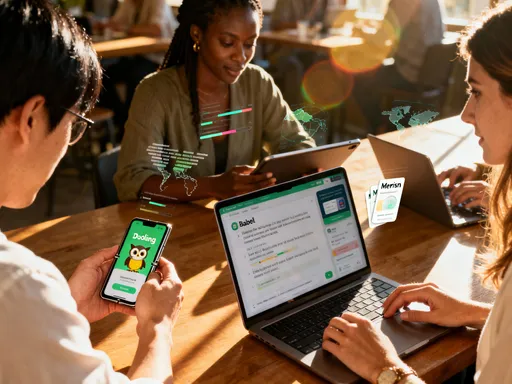
Keeping up with daily expenses used to stress me out—until I started using spending record apps not just to track numbers, but to actually feel better about my life. They didn’t just show me where my money went; they quietly helped me sleep easier, make wiser choices, and stop feeling guilty after every purchase. This isn’t about strict budgets or shame—it’s about how small, smart tech tools brought real peace to my routine. I remember the moment it hit me: standing in the grocery store, staring at a $7 latte I’d just bought, feeling like I’d failed again. But the truth? My money wasn’t the problem. My clarity was.
The Moment I Realized My Money Wasn’t the Problem—My Clarity Was
There I was, standing in the middle of the produce aisle, one hand on a bag of apples, the other clutching a coffee I didn’t even remember ordering. My phone buzzed—just a notification from a spending app I’d downloaded weeks ago and forgotten about. It said, “$6.95 spent at City Brew this morning.” And something clicked. Not because the number was shocking, but because it was real. For years, I’d carried this low-level hum of anxiety about money—was I spending too much? Was I falling behind? But I never had a clear picture, just feelings. Guilt after buying school supplies. Panic when the credit card bill arrived. And always, that whisper: You should know better.
But that day, the app didn’t judge me. It simply showed me what happened. And in that moment, I realized my stress wasn’t about the latte. It was about not knowing. Not seeing. Not being in control. So I decided to try something different—not to punish myself, but to understand. I opened the app and started categorizing that coffee as “Small Joy.” Not “Waste.” Not “Mistake.” Just a tiny moment of comfort I’d chosen. And that small act of naming it, of seeing it in context, lifted a weight I hadn’t even known I was carrying. The problem wasn’t my spending. It was the fog around it. And for the first time, I could see a way through.
How Daily Mini-Check-Ins Changed My Relationship with Spending
I used to think money management meant big, serious sessions—spreadsheets, graphs, hours spent reconciling statements. No wonder I avoided it. But what changed everything was the idea of the mini-check-in. Just 60 seconds. Every day. Usually while I was sipping my morning tea or winding down with a book at night. I’d open the app, glance at the day’s transactions, and tap to confirm or adjust a category. That’s it. No pressure. No math. Just a quiet moment of awareness.
What surprised me was how quickly this tiny habit shifted my mindset. Instead of dreading my finances, I started looking forward to that little check-in. It became a pause in my day—a chance to breathe and reflect. “Oh, I grabbed lunch out again? Hmm.” Not “Ugh, I’m so irresponsible.” Just noticing. Just being present. And over time, those small moments added up to something bigger: confidence. I wasn’t perfect, but I was aware. I knew where things stood. And that knowledge, that sense of being in the loop, made me feel calmer, more capable. The app wasn’t a drill sergeant. It was more like a gentle friend, sitting beside me, saying, “Hey, just so you know…” And that made all the difference.
Spotting the “Invisible” Habits That Drained Me—And How Tech Helped Me See Them
One Sunday morning, I was scrolling through the app’s weekly summary—just out of curiosity—and I saw it: “$42.30 on coffee and snacks this week.” Not shocking, but eye-opening. I hadn’t realized how often I was stopping for a muffin or an iced tea on my way to pick up the kids. These weren’t big splurges, but they were constant. And they were invisible until the app pulled them into the light. That’s when I started to see how tech could do more than track—it could reveal.
Another example? Subscriptions. I thought I had them under control—just a streaming service and a music app. But the app showed me I was also paying for a meditation app I hadn’t opened in months, a meal kit I’d forgotten about, and a cloud storage plan I didn’t really need. The total? Over $30 a month. That’s a family movie night, gone. But here’s the thing: I didn’t feel ashamed. I felt liberated. Because now I could decide. I canceled two of them right then, no drama. And the app didn’t scold me—it just made it easy to see and act. The visual dashboards, with their color-coded charts and simple breakdowns, turned abstract worry into concrete insight. I wasn’t bad with money. I was just busy. And this tool helped me catch what I’d missed.
What I love is that I didn’t have to make huge cuts or live like a monk. I just made choices. I kept the meditation app because I knew I’d return to it during stressful weeks. I let go of the rest. And that ability to choose—based on what mattered to me—was empowering. The tech didn’t tell me what to do. It just showed me what was happening, and then trusted me to decide. And that, honestly, felt like freedom.
From Overwhelm to Ownership: How Small Data Brought Big Emotional Relief
There’s a difference between knowing your balance and feeling in control. For years, I could check my account and see the number, but I still felt shaky. Like I was one unexpected bill away from chaos. But once I started using the app regularly, something shifted. It wasn’t just about the data—it was about the feedback loop. Every time I logged a purchase, every time I saw a summary, I was reminded: I am paying attention. I am making choices. I am here.
This awareness started to change how I spent—not because I was restricting myself, but because I was aligning with what mattered. I noticed that I was spending a lot on convenience foods during busy weeks. So I started meal prepping on Sundays. Not perfectly, not every week—but enough to make a difference. And the app showed me the impact: my grocery spending went down, and my takeout costs dropped. But more than that, I felt proud. I wasn’t just saving money—I was caring for my family and my time.
Another moment of clarity came when I saw how much I was spending on last-minute gifts. Birthdays, school events, teacher appreciation—it all added up. So I created a “Gifts” category and started setting aside $20 a week. The app let me track that separately, and suddenly, those occasions felt less stressful. I wasn’t scrambling or overspending. I was prepared. And that small change didn’t just help my budget—it helped my peace of mind. The app became a mirror, reflecting not just my spending, but my values. And seeing that alignment? That’s where the real emotional relief came from.
Making It Effortless: Tiny Habits That Keep the System Running Smoothly
The biggest reason I’ve stuck with this for over a year? It doesn’t feel like work. And that didn’t happen by accident. I’ve learned that the key to consistency isn’t willpower—it’s design. So I’ve made a few small tweaks that keep the system light and sustainable. First, I set up automatic syncing with my bank and credit cards. That way, 90% of the transactions show up instantly. All I have to do is glance and confirm.
Second, I started naming transactions with emojis. Sounds silly, right? But it makes it fun. My coffee is ☕️, groceries are 🛒, gas is ⛽️, and self-care purchases—like a new book or a bath bomb—get a 💖. It turns a boring list into something that feels personal and even a little joyful. My daughter noticed it once and said, “Mom, your money has feelings!” And she’s not wrong. It’s my way of reminding myself that spending isn’t just numbers—it’s choices, care, and sometimes, a little treat.
Third, I use gentle reminders. Not pushy alerts, but a soft notification at 8 p.m. that says, “How was your day, money-wise?” It’s not a demand. It’s an invitation. And if I miss a day? No big deal. I just catch up the next day or skip it. The app doesn’t shame me. I don’t shame me. And that kindness is what keeps me coming back. These tiny habits—auto-sync, emojis, kind reminders—have turned what could’ve been a chore into a ritual I actually enjoy. And that’s how small changes become lasting ones.
When the App Did More Than Track—It Helped Me Plan for What Matters
At first, I thought the app was just for looking back. But then I discovered its planning side. I started setting mini-goals—small, meaningful targets that felt doable. A $150 fund for my son’s birthday party. A $50 “me time” budget for a massage or a weekend coffee run. A $200 repair fund for the car. The app let me create these categories and watch them grow, little by little.
What surprised me was how much this reduced my stress. Before, unexpected expenses felt like emergencies. Now, they’re just part of the plan. When the washing machine needed a repair, I didn’t panic. I checked the “Home Repair” fund and used what we’d saved. No credit card debt. No late-night worrying. Just calm, prepared action. And that shift—from reactive to proactive—changed everything.
But the most beautiful part? The app helped me be more generous. I used to feel guilty when I wanted to buy something nice for a friend or donate to a cause. I’d wonder, “Can I afford this?” Now, I can see exactly what’s possible. I set up a “Kindness” fund and add to it slowly. When a friend had a tough week, I sent her flowers—$35 from the fund. No second-guessing. Just joy in the giving. The app didn’t make me spend less. It helped me spend with purpose. And that’s made all the difference.
Why This Isn’t About Perfection—It’s About Peace
I’ll be honest: I don’t log every single transaction perfectly. Sometimes I forget. Sometimes I’m tired. And that’s okay. Because this journey was never about flawless records or hitting some impossible standard. It was about feeling calmer. More in control. Kinder to myself. The real win isn’t that I spend less—it’s that I worry less. That I make choices with intention, not guilt. That I can look at my finances and feel informed, not afraid.
These spending apps didn’t fix my life. But they gave me something precious: clarity. And from that clarity came confidence. From confidence came peace. I’m not a finance expert. I’m not a budgeting guru. I’m just a woman who wanted to feel better about her money—and found that a little tech, used with care, could help. It’s not magic. It’s not about cutting out joy. It’s about bringing awareness into the everyday, so we can live with more intention, more freedom, and more heart.
If you’re feeling overwhelmed, I get it. But you don’t have to do everything at once. Start with one mini-check-in. Just 60 seconds. See what shows up. Name one purchase with kindness. Let the app be your quiet companion, not your critic. And remember: the goal isn’t perfection. It’s peace. And that’s a goal worth reaching for—one small, thoughtful choice at a time.